International Süheyl Ünver Symposium
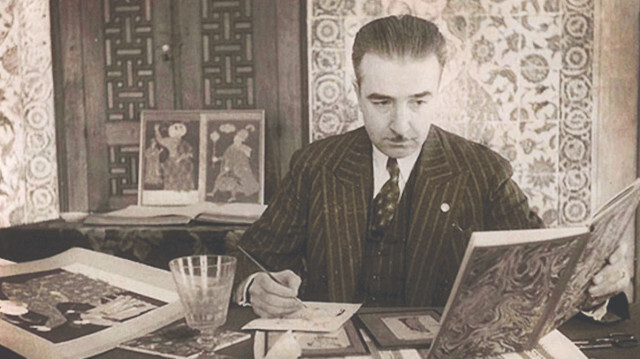
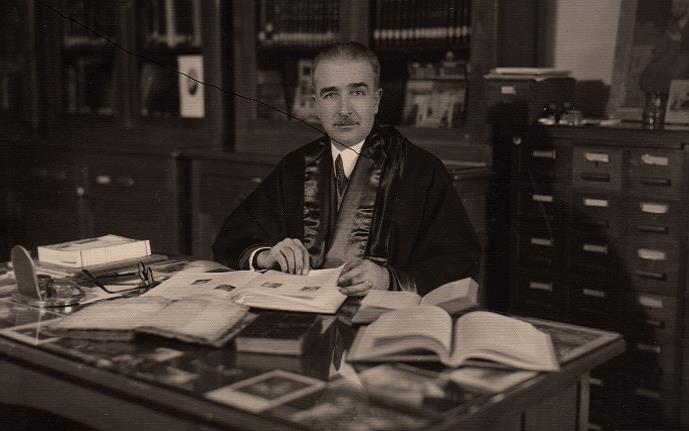
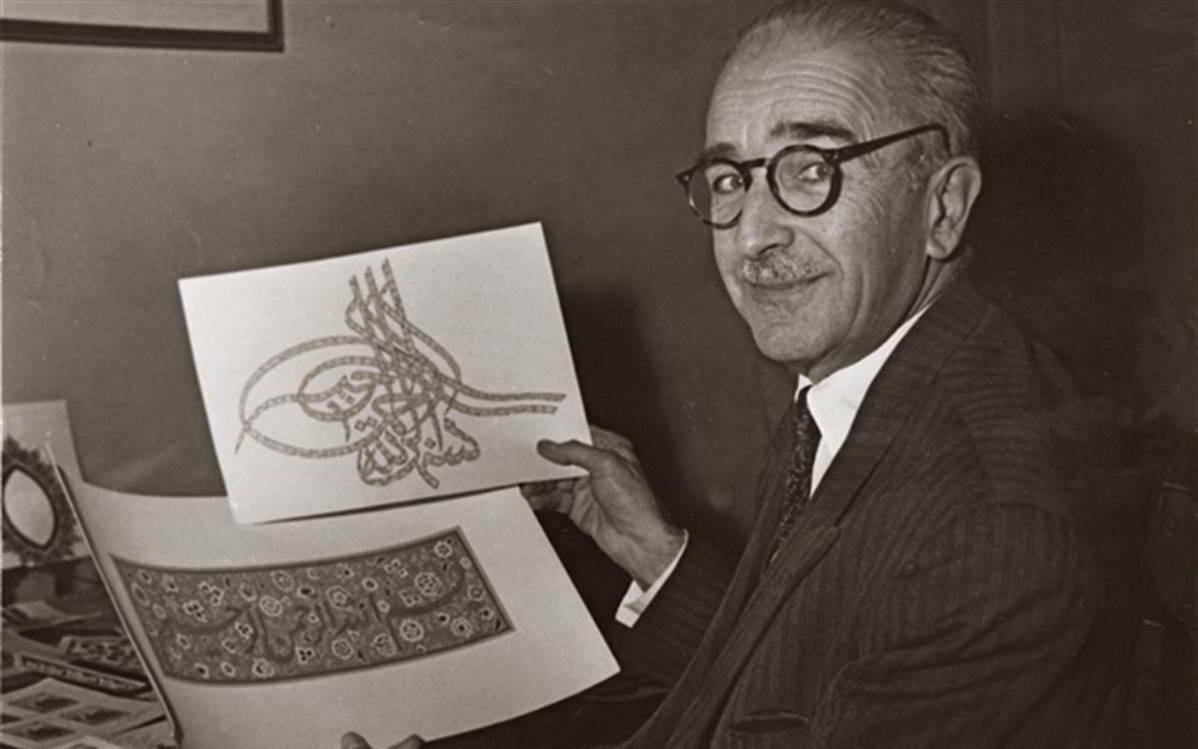
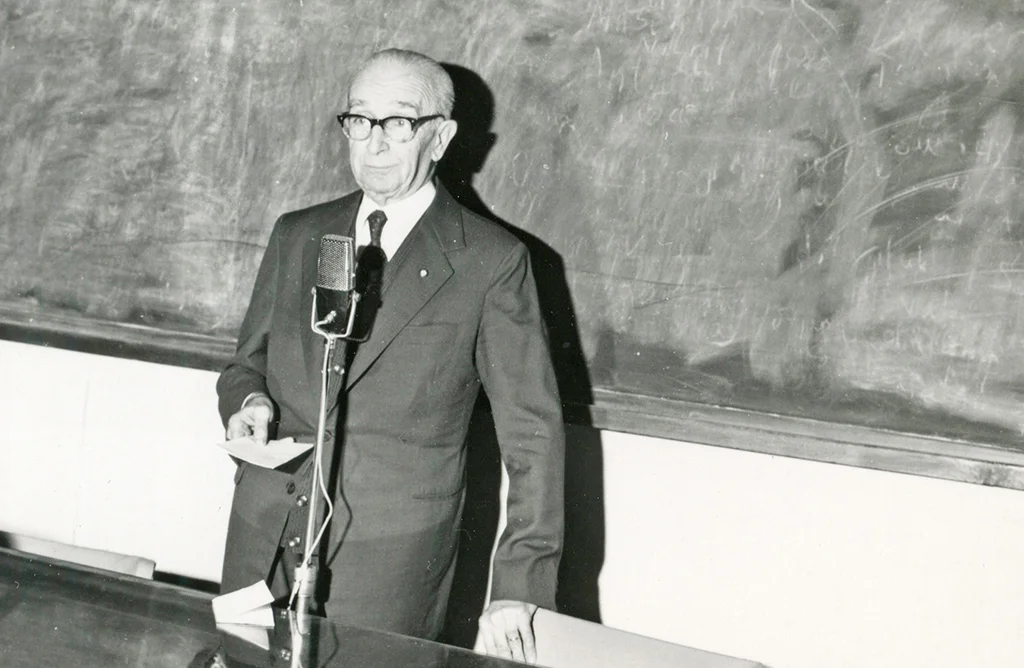
We invite submissions for an international symposium exploring the life, oeuvre, and legacy of Ahmet Süheyl Ünver (1898–1986)—an inquisitive physician, a foundational historian of medicine, a versatile artist, an influential educator, and the preeminent cultural historian and scholar-artist of his era. Ünver produced a remarkably rich and varied corpus that defies disciplinary boundaries and conventional categories. His thousands of notebooks, sketches, watercolors, manuscript studies, architectural observations, and historical writings span multiple geographies—ranging from Istanbul, Anatolia, the Balkans, and beyond—and engage with centuries of Islamic, Seljuk, and Ottoman cultural and scientific history. Together, they constitute a uniquely expansive and deeply textured archive that continues to illuminate the artistic, intellectual, and medical worlds he both documented and significantly influenced.
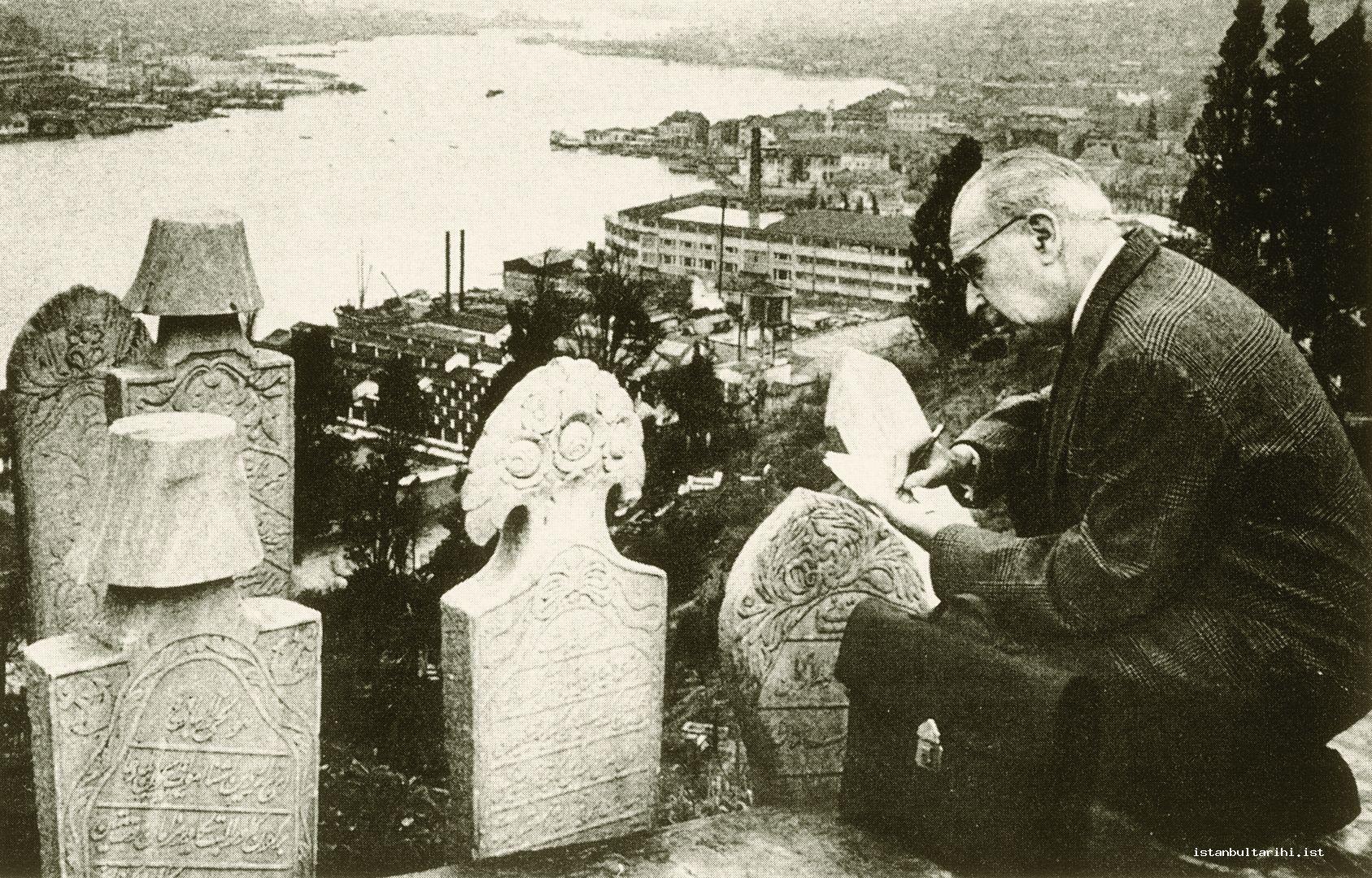
Ünver’s expansive oeuvre offers an exceptional lens through which to study the intertwined histories of medicine, art, science, and cultural memory across the Islamicate world. Although trained as a medical doctor and celebrated as a foundational figure in the history of medicine in Turkey, his intellectual and artistic pursuits extended far beyond the bounds of any single field. His defters, studies, and visual records register not only the cultural landscapes he traversed, but also the scientific, artistic, architectural, and literary traditions that sustained them. What distinguishes Ünver’s archive is its capacity to connect geographies, periods, and disciplines that are seldom examined together. Grounded in close observation, careful documentation, and an abiding curiosity for layered histories, his work provides rare insight into the transmission of knowledge, the evolution of artistic and scientific practices, and the cultural fabric of the Ottoman and broader Islamicate worlds. His defter collections—meticulous field notebooks that integrate drawings, ornament studies, tombstone recordings, topographical notes, craft analyses, and textual excerpts—embody a methodology that combines scholarly rigor with the attentive eye of an artist and the exploratory sensibility of a traveler. Taken together, they form one of the most comprehensive and interdisciplinary personal archives produced in the Middle East in the twentieth century, and they continue to serve as an invaluable resource for scholars, artists, and researchers across a wide array of fields.
For new generations of scholars, artists, and practitioners, Ünver offers a compelling model of integrated knowledge in which science, art, heritage, and lived experience are inseparable. His legacy invites us to rethink how we study cities, manuscripts, artefacts, medicine, and cultural memory, and how we might carry these interconnected fields of inquiry forward. We invite paper proposals that engage with one or more of the thematic areas listed below. Authors whose proposals are accepted will be required to submit their full papers prior to the symposium. Selected papers will be considered for publication in a peer- reviewed edited volume.
Thematic Areas:
Manuscript studies, codicology, and book arts (including the history of publishing and printing)
Extra-textual elements in texts on complementary medicine; fevâid literature
History of medicine and science (including epidemics and public health)
Cultural history and intellectual history
Art history, visual culture, and architectural history
Calligraphy, illumination, miniature painting, and marbling (ebru)
Urban history, geography, and landscape studies
Material culture, craft histories, and ethnography
Cultural heritage studies
Museology and archival studies
Digital humanities, mapping, and visualization